
Contacts

12, Saravana Street, T. Nagar

+91 44 4212 8153

Tag: Donation

Apna Bana Lo

A Journey of Faith and Care: Apna Bana Lo’s Divine Experience for God’s Own Children

In 2012, Chennai Food Bank, now known as RYA Metro Foodbank, took the Apna Bana Lo initiative to a deeply spiritual level by creating an experience rooted in faith, dignity, and belonging.

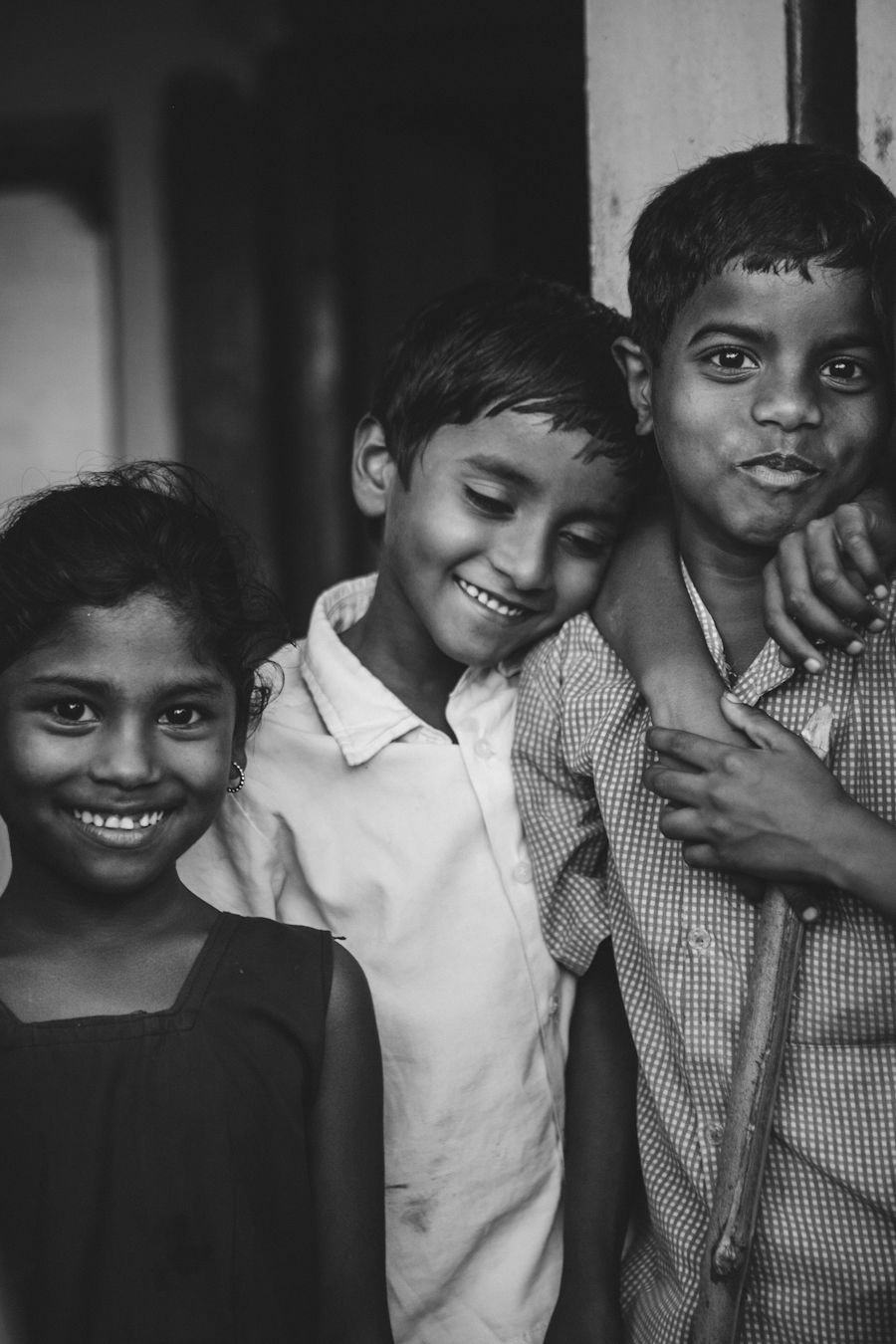
As part of this special charitable initiative, 1,008 God’s Own Children were taken on a divine journey to Tirupati through a specially chartered train. For many of these children, this was more than just a trip—it was a rare opportunity to experience spiritual fulfilment, care, and collective joy in a safe and nurturing environment.

The purpose of Apna Bana Lo 2012 was to offer emotional and spiritual nourishment alongside care and companionship. While hunger relief addresses physical needs, the initiative recognised that hope, faith, and meaningful experiences play a powerful role in shaping confidence and inner strength—especially for children growing up without traditional family support.

The journey itself became a symbol of inclusion. Travelling together by train fostered a sense of unity, excitement, and shared purpose among the children. Every detail of the trip was planned with sensitivity, ensuring comfort, safety, and dignity throughout the experience. The pilgrimage offered moments of reflection, peace, and joy that stayed with the children long after the journey ended.

Community involvement was central to making this large-scale effort possible. Organising a chartered train and coordinating the movement and care of over a thousand children required collective commitment and compassionate planning. Volunteers and supporters worked quietly behind the scenes, ensuring that each child felt protected, supported, and valued at every step.

The impact of Apna Bana Lo 2012 went far beyond the destination. For the children, it created cherished memories, spiritual connection, and a strong sense of being cared for by a wider community. For the organisation, it reaffirmed the belief that community welfare must address emotional and spiritual well-being alongside material needs.

This initiative stands as a touching chapter in the journey of Chennai Food Bank, reflecting its evolving mission to nurture not just bodies, but hearts and minds—through experiences that inspire hope and belonging.

Together, we continue our journey towards a hunger-free and compassionate community.
Apna Bana Lo

One Day, Many Smiles: Bringing Generations Together Through Apna Bana Lo

In 2008, Chennai Food Bank, now known as RYA Metro Foodbank, expanded the spirit of Apna Bana Lo to create a rare and deeply meaningful experience—one that brought together two generations often overlooked by society.

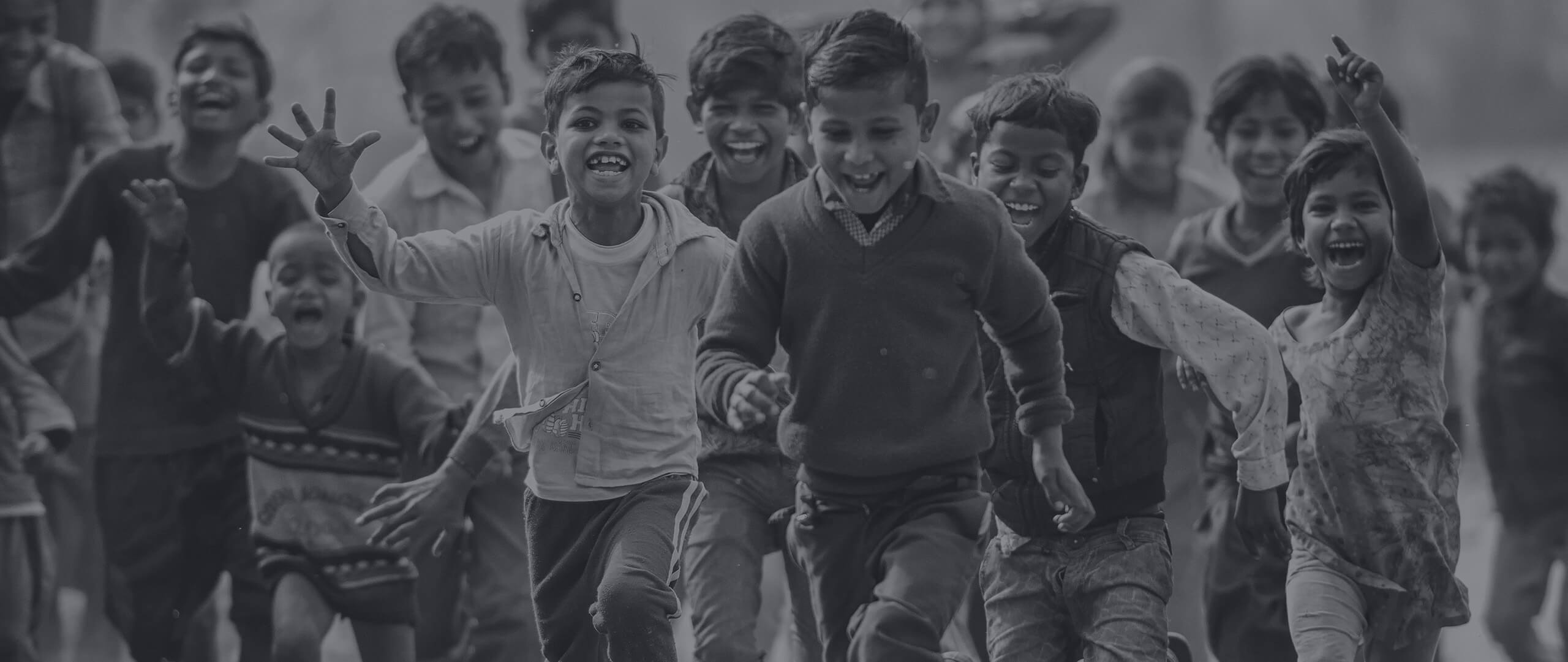
That year, 10,000 children from various orphanages and 1,000 senior citizens from old age homes were invited for a full day of entertainment and togetherness at Kishkinta Theme Park. The initiative was designed not just as an outing, but as a celebration of inclusion, dignity, and shared humanity.

The purpose of Apna Bana Lo 2008 was to offer emotional nourishment alongside joy. For children growing up without parental care and elders living away from family support, the day created a space where laughter, attention, and companionship flowed freely. It reminded every participant that they were valued members of a caring community.

Throughout the day, the theme park echoed with smiles, conversations, and moments of simple happiness. Children enjoyed the thrill of rides and games, while senior citizens took part in the experience at their own pace—watching, sharing stories, and enjoying the warmth of being surrounded by life and energy. The presence of both generations added a unique richness to the event, fostering a sense of connection that went beyond age or circumstance.

Community involvement played a crucial role in making this large-scale charitable initiative possible. Coordinating transport, safety, meals, and comfort for over 11,000 individuals required collective effort, empathy, and careful planning. Volunteers and supporters ensured that every child and elder felt safe, respected, and included throughout the day.

The impact of Apna Bana Lo 2008 extended far beyond a single day of entertainment. For children, it created joyful memories and a feeling of belonging. For senior citizens, it brought companionship and emotional warmth. Together, the experience reinforced the belief that community welfare is about caring for people at every stage of life.

This event stands as a powerful chapter in Chennai Food Bank’s journey—showing that compassion is most meaningful when it brings people together, bridges generations, and restores dignity through shared joy.

Together, we continue our journey towards a hunger-free and compassionate community.
Apna Bana Lo

A Day of Belonging and Joy: Apna Bana Lo for Children Who Needed It Most

In 2004, Chennai Food Bank, now known as RYA Metro Foodbank, extended its mission of community welfare beyond hunger relief to focus on something equally essential for a child’s well-being—joy, inclusion, and emotional nourishment.

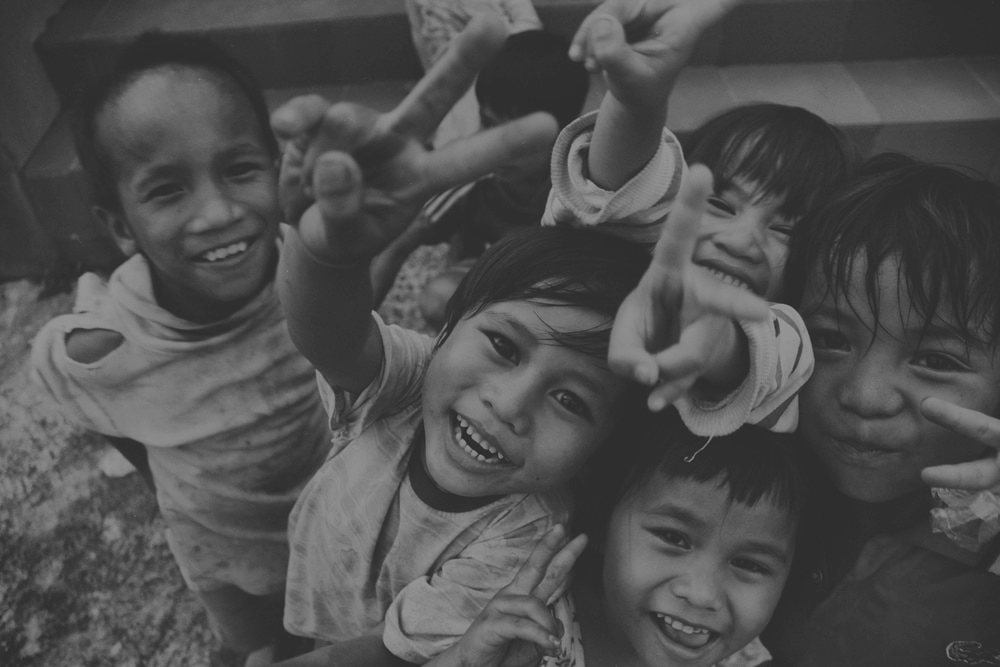
Under the initiative Apna Bana Lo, 10,000 children from various orphanages were brought together for a day of celebration and carefree fun at Kishkinta Theme Park. For many of these children, this outing was a rare opportunity to step away from routine life and experience a day filled with laughter, excitement, and togetherness.

The purpose of Apna Bana Lo was simple yet deeply meaningful: to make children feel seen, valued, and embraced by society. While food and shelter address physical needs, moments of happiness play a vital role in shaping confidence and emotional strength—especially for children growing up without traditional family support systems.

The event brought together children from numerous orphanages, creating an atmosphere of shared joy and belonging. From thrilling rides to playful moments and shared meals, the day allowed children to simply be children—free to smile, explore, and connect with one another. Every laugh echoed the core belief that compassion can be expressed in many forms, including time, attention, and shared experiences.

Community involvement played a quiet but powerful role in making this large-scale initiative possible. The coordination required to bring together 10,000 children for a single day reflected collective goodwill and a shared commitment to child welfare. Volunteers and supporters ensured the day unfolded smoothly, safely, and with dignity for every child involved.

The impact of Apna Bana Lo went far beyond one day of entertainment. For the children, it created lasting memories and reinforced a sense of belonging. For the organisation, it reaffirmed that holistic community welfare includes emotional care alongside hunger relief.

Apna Bana Lo 2004 remains a cherished chapter in the journey of Chennai Food Bank—a reminder that sometimes, the most powerful gift we can offer is the feeling of being accepted and loved.

Together, we continue our journey towards a hunger-free and compassionate community.

Natural Disaster

Standing With the Coast: Serving Food and Hope After the Tsunami

On 26 December 2004, the Indian coastline was struck by one of the most devastating natural disasters in modern history. The Tsunami left thousands of families along the shores of Tamil Nadu and Pondicherry grappling with loss, displacement, and sudden disruption of daily life. Homes were washed away, livelihoods were destroyed, and access to food became an immediate and pressing concern.

In response to this humanitarian crisis, Chennai Food Bank, now known as RYA Metro Foodbank, mobilised special relief teams to reach the affected coastal regions. With urgency and compassion, teams visited Chennai, Pondicherry, and several coastal areas of Tamil Nadu to distribute food to those who had been left vulnerable in the aftermath of the disaster.

The purpose of this relief effort was clear: to ensure that families struggling through shock and uncertainty did not have to endure hunger. In disaster-hit communities, timely access to food plays a crucial role in restoring a sense of stability. The distribution of meals helped survivors cope during the critical initial days, especially when normal supply systems were severely disrupted.

Community welfare lay at the heart of this initiative. Relief teams worked closely with affected neighbourhoods, identifying those in greatest need and reaching them directly. This on-ground presence allowed food to reach fishermen families, women, children, and elderly individuals who were among the hardest hit by the Tsunami’s impact.

Beyond nourishment, the effort carried a deeper message of solidarity. For families facing unimaginable loss, the arrival of food and human support served as reassurance that they were not forgotten. It reflected the belief that compassion must travel swiftly in times of crisis and that dignity must be preserved even in relief efforts.

The 2004 Tsunami response stands as a significant chapter in the journey of Chennai Food Bank’s commitment to hunger relief and community welfare. It reaffirmed the organisation’s readiness to act during large-scale emergencies and its enduring mission to stand beside communities when they need support the most.

Together, we continue our journey towards a hunger-free and compassionate community.

Natural Disaster

When Every Minute Mattered: Reaching Gujarat With Food and Hope

On 26 January 2001, India woke up to one of the most devastating natural disasters in its history. A powerful earthquake struck Gujarat, leaving thousands of families displaced, injured, and struggling to survive amid collapsed homes and shattered infrastructure. In those first critical hours, access to food became an urgent and life-saving need.

Responding with speed and compassion, Chennai Food Bank, now known as RYA Metro Foodbank, acted immediately. Within hours of the earthquake, ten tons of food grains were airlifted to the affected regions. This swift response ensured that survivors received nourishment at a time when roads were damaged, supply chains were broken, and help was desperately awaited.

The purpose of this emergency relief effort was simple yet vital: to prevent hunger from compounding the suffering caused by the disaster. For families who had lost everything in moments, the arrival of food brought not just physical sustenance, but reassurance that they were not alone.

What made this initiative especially significant was its timeliness. The aid sent by Chennai Food Bank was among the first to reach the disaster zone. In emergency situations, early intervention can make a critical difference, particularly for children, the elderly, and those already vulnerable. The food grains helped sustain communities during the initial days of uncertainty, allowing them the strength to endure and begin recovery.

This relief effort reflected the core values that continue to guide RYA Metro Foodbank—empathy, urgency, and a deep commitment to community welfare. Though the organisation was based far from the epicentre of the disaster, distance did not become a barrier to action. The response was driven by a belief that hunger relief is a shared responsibility, especially during moments of national crisis.

The 2001 Gujarat earthquake relief remains a defining chapter in the legacy of Chennai Food Bank’s humanitarian work. It stands as a reminder that when compassion is combined with decisive action, lives can be touched even in the darkest of times.


Together, we continue our journey towards a hunger-free and compassionate community.

Natural Disaster

Standing With Odisha in Its Darkest Hour: A Timely Act of Compassion

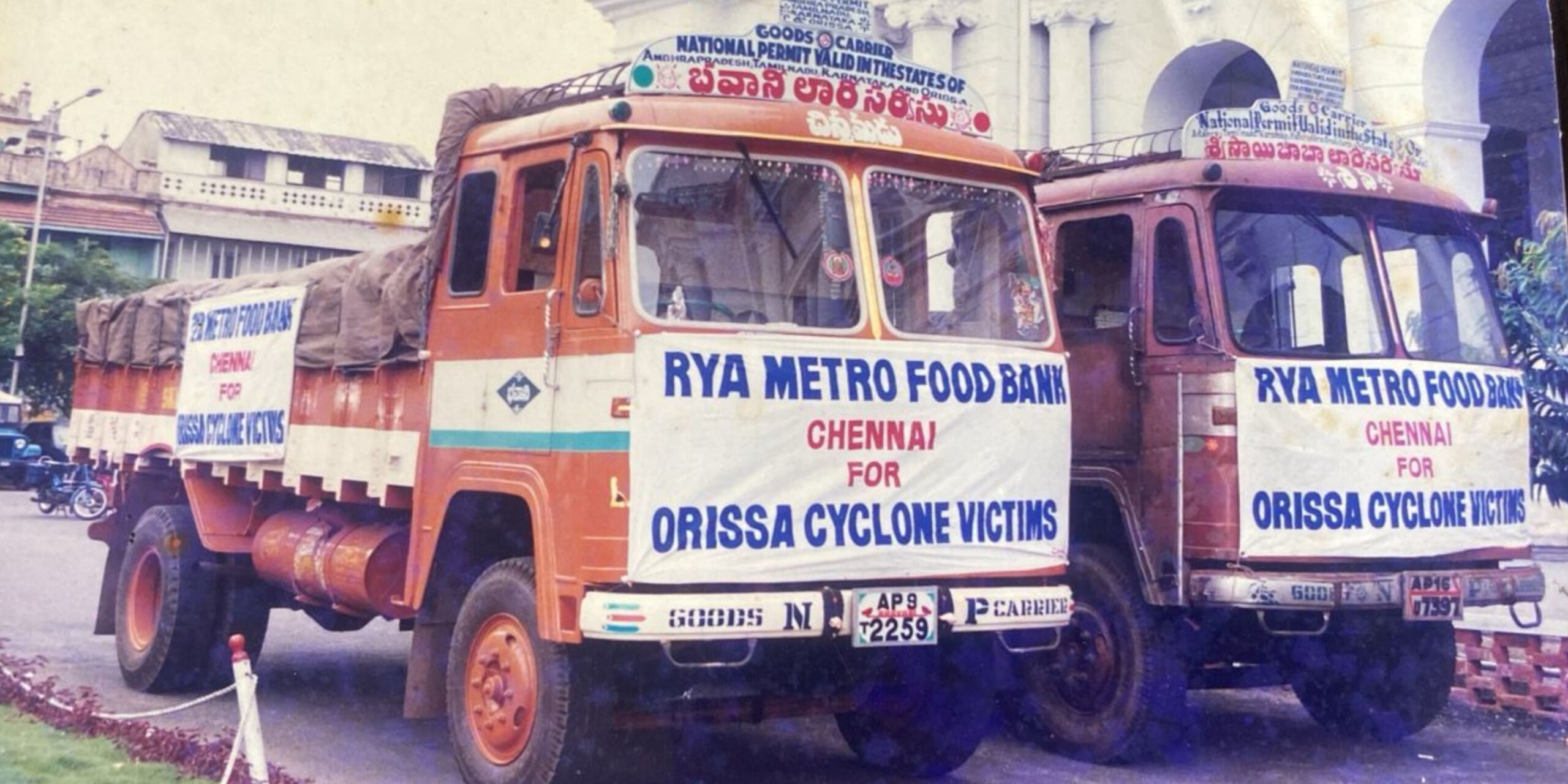
In 1999, when the devastating Orissa Cyclone struck the eastern coast of India, it left behind widespread destruction, displacement, and acute food shortages. Entire communities were suddenly pushed into survival mode, with access to basic necessities severely disrupted. In this moment of crisis, Chennai Food Bank, now known as RYA Metro Foodbank, stepped forward with urgency and compassion.

Understanding that hunger becomes one of the most immediate and life-threatening challenges during natural disasters, the organization acted without delay. Food grains were mobilised and dispatched immediately to the cyclone-affected regions of Odisha, ensuring that families struggling amid loss and uncertainty received essential nourishment when they needed it most.

This relief effort was driven by a simple yet powerful belief: no one should go hungry, especially in times of calamity. While infrastructure lay damaged and supply chains were disrupted, timely access to food provided a sense of stability and hope to those impacted. The food grains reached vulnerable families, helping them endure the critical early days following the disaster.


The 1999 Orissa Cyclone relief initiative stands as one of the early milestones in the journey of Chennai Food Bank’s commitment to hunger relief and community welfare. It reflected the organisation’s readiness to respond beyond geographic boundaries and its deep sense of responsibility towards fellow citizens in distress.

Behind this effort was a quiet network of compassion—individuals and well-wishers who believed in collective action and the power of giving. Though resources were limited, the intent was strong: to ensure that hunger did not add to the suffering caused by nature’s fury.

Even today, this act of service reminds us that timely intervention can make a profound difference in disaster-struck communities. It continues to inspire RYA Metro Foodbank’s mission-driven approach to humanitarian response, guided by empathy, speed, and unwavering commitment to dignity.

Together, we continue our journey towards a hunger-free and compassionate community.